

 Accountability.
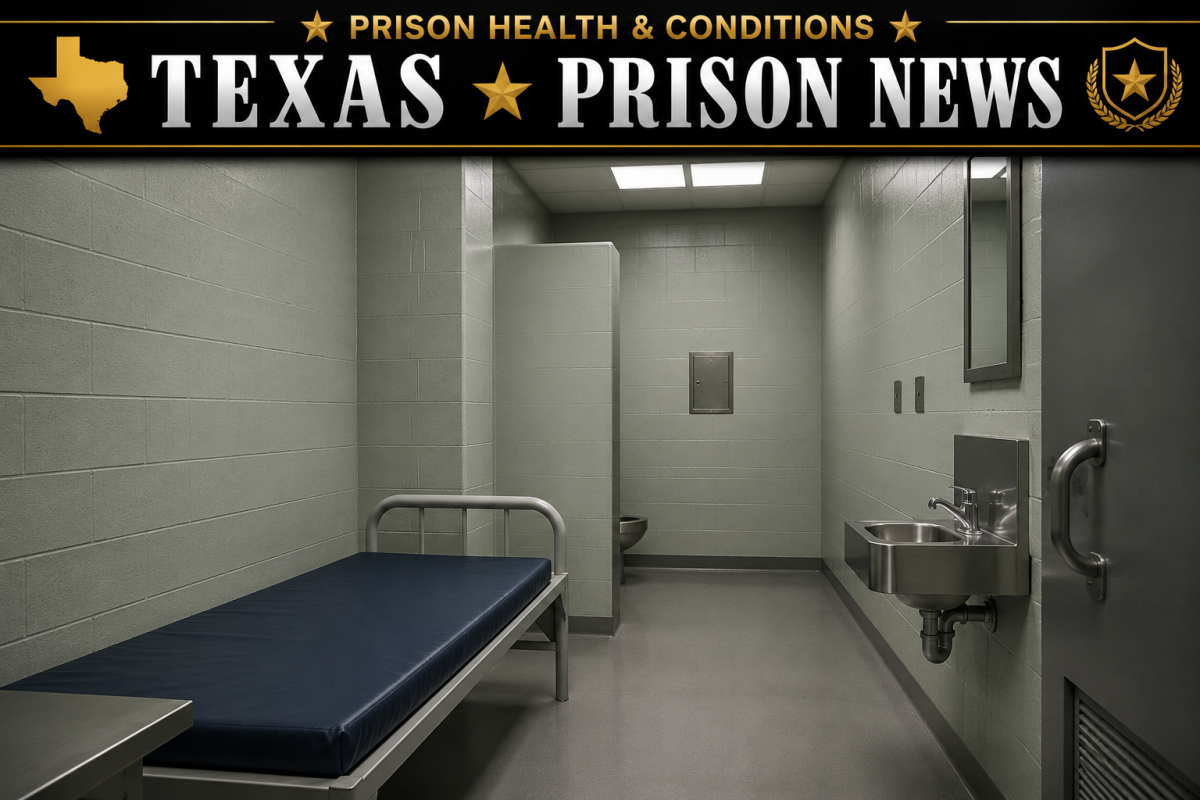
TDCJ’s Air Conditioning Push: 18,000 Beds to Be Cooled by 2028, But Thousands Still Left Behind
The Texas Department of Criminal Justice says recently secured funding will bring air conditioning to approximately 18,000 additional prison beds by 2028, marking what the agency calls significant progress in addressing dangerous heat conditions inside state correctional facilities. The announcement comes after years of advocacy from inmates, families, and civil rights organizations who have long argued that Texas summers inside un-air-conditioned prisons constitute a serious — and sometimes fatal — threat to human life.
Despite the headline figure, a substantial number of prison beds across the TDCJ system will still lack climate control even after the 2028 deadline passes. Advocates and attorneys who have battled the state in court over heat-related deaths and illnesses say the pace of progress remains dangerously slow, particularly for elderly inmates, those with chronic medical conditions, and incarcerated people assigned to work assignments in sweltering kitchen, laundry, and agricultural settings where temperatures can soar well above 100 degrees.
Texas has faced mounting legal and public pressure over prison heat conditions for more than a decade. Multiple inmates have died from heat-related causes, and federal courts have previously found unconstitutional conditions in certain TDCJ units. The state has historically resisted comprehensive AC installation, citing the high cost of retrofitting aging facilities — an argument critics counter is a matter of misplaced priorities rather than fiscal impossibility.
Families of incarcerated Texans continue to sound the alarm every summer, describing loved ones who suffer heat exhaustion, receive inadequate medical attention, and have no meaningful way to escape the heat during the most dangerous months. Advocacy groups argue that a 2028 timeline — spanning multiple more Texas summers — means thousands of people will continue to endure potentially life-threatening conditions while the state phases in improvements at a pace driven more by budget cycles than urgency.
TDCJ has maintained that it is moving as quickly as funding allows and that existing heat mitigation measures, including fans, ice water, and designated cooling areas, provide sufficient relief in the interim. Critics dispute that characterization, saying those stopgap measures are inconsistently applied and wholly inadequate when ambient temperatures inside prison dormitories and cells routinely exceed levels considered safe for human habitation. The question facing Texas lawmakers and taxpayers is whether the state can justify any further delay in protecting the people it holds in its custody.