

 Accountability.
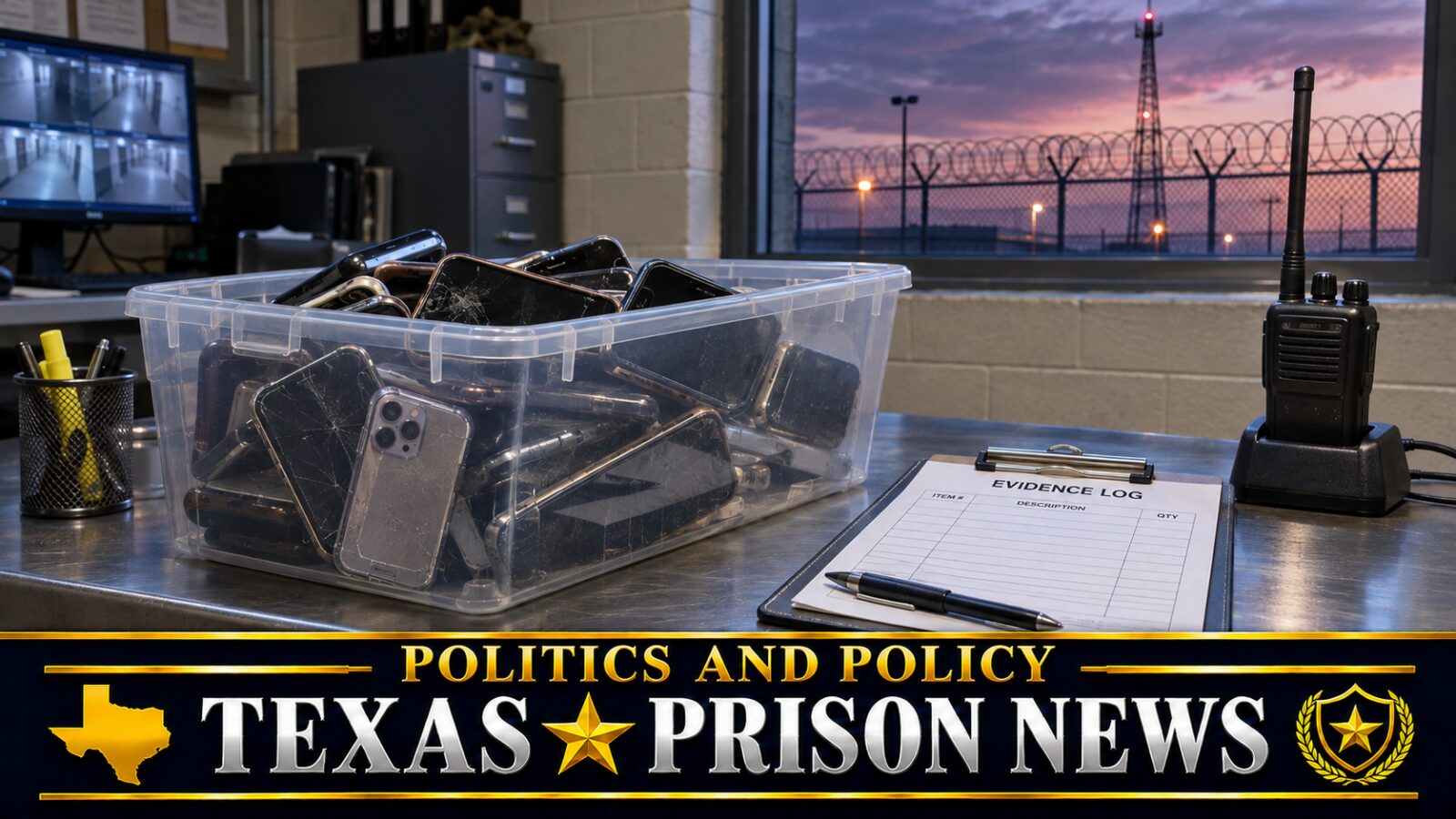

WASHINGTON — The Federal Communications Commission voted Thursday, Nov. 19, to let state prisons and local jails apply for permission to jam signals from contraband cellphones, a step Texas prison officials have sought for nearly two decades.
Jamming was already allowed in federal prisons, but a decades-old communications law required FCC sign-off for state and local facilities. Under the new rules, a prison or jail must get FCC approval to operate jammers in areas where phones are already banned, show the equipment won’t interfere with service outside those areas, including 911 calls, and notify nearby communities before testing and using it.
Texas’ long push
TDCJ Executive Director Bobby Lumpkin backed the proposal in a statement released by the FCC, saying targeted jamming would give the agency another tool to protect the public and rehabilitate inmates. He told state senators in May that TDCJ recovered more than 2,000 cellphones in 2025.
Texas first asked the FCC about jamming in 2008, after death row inmate Richard Lee Tabler used a smuggled phone to call then-state Sen. John Whitmire, prompting a statewide lockdown. TDCJ currently uses a managed access system, which lets approved phones connect while blocking unauthorized ones.
Inmate advocates argue that high prison phone rates drive demand for smuggled phones, and the wireless industry has warned jamming could disrupt legitimate calls. TDCJ has not said whether it will apply. Texas Prison News reported on the proposal before the vote.
Sources: CBS News; Associated Press.